Signtime Font: A Handwritten Typeface for Business Branding
As a small business owner, I’ve learned that branding isn’t just about a logo or a color palette—it’s about consistency across every customer touchpoint. That’s why I was excited to discover Signtime, a handwritten font that feels both relaxed and professional. Whether you're designing product labels, social media posts, or packaging, this script font adds a human touch without sacrificing clarity or style.
What Makes Signtime Stand Out
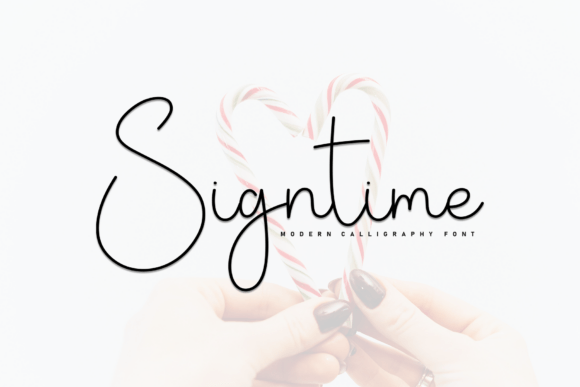
Signtime looks like it was drawn with a marker—bold, expressive, and slightly casual. It carries a sporty, energetic vibe that works especially well for brands in fashion, wellness, food, or lifestyle niches. Unlike overly formal script fonts, Signtime balances personality with readability, making it ideal for small business owners who want to appear approachable yet polished.
Its style fits well in both print and digital environments. Whether it's on a café menu, a boutique logo, or a Pinterest graphic, Signtime maintains its charm while ensuring your message is clear and easy to digest.
How Signtime Enhances Real-World Branding
Brand recognition starts with consistency. Signtime helps unify your brand across various materials. Here’s how I’ve seen it make a difference:
- Logo Design: For a boutique or handmade candle brand, Signtime adds a personal, artisanal feel that resonates with customers looking for authenticity.
- Packaging Design: Using Signtime on product labels or thank-you cards creates a cohesive look that customers remember.
- Social Media Graphics: Whether it's for Instagram stories or Pinterest pins, Signtime makes headlines and captions stand out without being overwhelming.
- Website Banners: As a display font, Signtime works well in hero sections or promotional banners, drawing attention without distracting from your message.
Using Signtime Across Marketing Materials
I’ve used Signtime in several areas of my brand, and here are the results:
Product Labels: On a line of handmade skincare products, Signtime’s clean strokes and casual flair made the labels feel personal and trustworthy. Customers appreciated the attention to detail.
Business Cards: Paired with a simple sans serif font for subtext, Signtime became the standout element that made my contact info memorable.
Flyers & Menus: For a local café branding project, Signtime was used in the logo and menu headers. The font’s relaxed energy matched the café’s vibe perfectly, making the design feel intentional and warm.
When to Use Signtime as a Display or Accent Font
Signtime shines best when used as a display font or accent typeface. It’s not ideal for long paragraphs, but it works beautifully for headlines, logos, and short text blocks. Here’s how to use it effectively:
- Logo Headlines: Use it as the main type in your logo to establish brand personality.
- Social Media Captions: For short, punchy text overlays on Instagram or Facebook posts.
- Call-to-Action Buttons: In digital ads or landing pages, Signtime can make buttons like “Shop Now” or “Learn More” feel more personable.
Readability in Real Business Settings
One of the biggest concerns when choosing a decorative font is readability. Signtime strikes a good balance. It’s clear enough to use on small labels, mobile screens, and printed packaging. However, I always test it at different sizes before finalizing designs. For example, on a sticker or a thank-you card, Signtime reads well at 12pt, but anything smaller than 10pt can start to lose clarity.
On mobile, especially in social media thumbnails or website headers, Signtime holds up well when used with enough contrast and spacing. It’s important to ensure the background doesn’t compete with the font’s texture.
Font Pairing Ideas for Brand Consistency
Pairing Signtime with the right supporting fonts is key to a balanced brand identity. Here are a few combinations I’ve found effective:
- Signtime + Montserrat: A clean, modern sans serif that complements Signtime’s personality without clashing.
- Signtime + Playfair Display: For a more elegant look, especially in wedding-related branding or luxury product packaging.
- Signtime + Lora: A readable serif font that works well in print materials like flyers or packaging inserts.
These pairings help maintain visual interest while keeping your brand’s message clear and professional.
Testing Signtime Before Full Implementation
Before committing to Signtime across your brand, I recommend testing it in a few different contexts:
- Print a sample label or business card to see how it looks in real life.
- Try it on your website’s landing page and check how it appears on mobile devices.
- Use it in a few social media templates and compare how it performs against your current font.
Many font platforms offer trial versions or character previews, which can help you visualize how Signtime will look in your specific use case.
Checking Commercial Licensing for Business Use
One thing I’ve learned the hard way is the importance of checking font licensing. Before using Signtime on product packaging, merchandise, or digital downloads, make sure you have the right license. Most premium fonts come with clear licensing terms, and it’s worth double-checking to avoid legal issues down the line.
For example, if you’re creating a template for Canva or Etsy, you’ll need a commercial license that allows for resale or client use. Always read the fine print to ensure your use of Signtime is both creative and compliant.
Why Signtime Works for Small Business Branding
In a world where first impressions matter, the right font can make your brand feel more trustworthy and cohesive. Signtime gives small businesses a way to stand out with a personal, handcrafted touch while maintaining professionalism. Whether you're launching a new product line, redesigning your logo, or updating your social media visuals, Signtime offers a versatile, modern solution that aligns with today’s branding expectations.
As a business owner, I’ve found that investing in a quality typeface like Signtime pays off in brand recognition and customer trust. It’s more than just a font—it’s part of your brand identity.